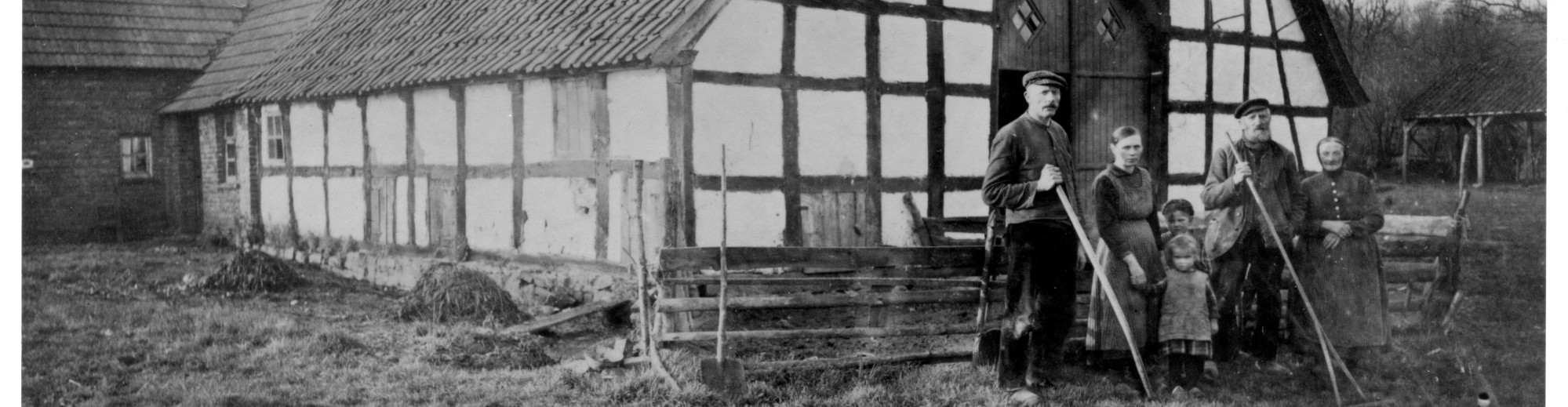
As a child in Canada, I envied my friends who could go away for the weekend to visit their grandparents. I knew I had relatives – my father’s family in Trinidad, my mother’s family in Germany – but I had no sense of place. This place I lived had its history, a line of forts built to guard the border from American incursions, and an older history of conflict between the Hurons, the Algonquins, the Iroquois, the French and the English – a history that fascinated me. But it wasn’t my history.
That changed when I returned to Trinidad at age nine. The past was no longer something that happened to others – now it was my family’s history. And while we may have only been in Trinidad a little over a century (how much, I didn’t know at the time) it was a history that was alive when I sat in my grandparents house while my great-grandparents had built almost a century earlier. And more than that, it was a present filled with hundreds of relatives.
It was there, talking to my grandmother, that my love for family history was born. It may not have been the thing that nine- or ten-year-old boys did. It certainly didn’t earn me the admiration of my peers (though neither, interestingly, did it earn me any additional scorn). But it gave me a sense of belonging, a sense of being rooted in a place, and rooted in a family.